











Crime Simulator









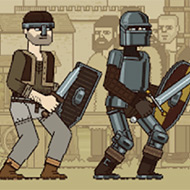
Crime Simulator starts with a clock already running. You walk out of jail owing money to people who expect to be paid, and the only way to raise it fast is to break into houses and carry out anything worth selling. Every job comes with a quota and a deadline, and every house has its own alarms, cameras and residents. Hit the number in time and you live to plan the next break-in; miss it and the debt swallows you.
| Genre | Burglary sim with roguelite runs |
| Premise | Pay off a debt after leaving jail |
| Core loop | Scout, break in, grab loot, meet the quota |
| Tools | Lockpicks, crossbow, sleeping gas, baseball bat |
| Skills | More than 15, from inventory size to stealth |
| Locations | Three areas with their own targets and security |
Quotas, Deadlines and Debt
The pressure in Crime Simulator comes from the quota system rather than from story missions. Each job sets an amount you need to steal before time runs out. That simple rule changes how you look at every room. A big television is valuable but slow to carry; a handful of small items might be worth almost as much and let you keep moving. Good runs come from deciding quickly what is worth the risk.
Because the game is built as a roguelite, failure is part of the rhythm. A run that collapses still teaches you where cameras sit, which doors are locked and which homeowners wake up easily, and the skills you unlock make the next attempt smoother.
Scouting Before the Break-In
Going in blind is the most common mistake. The game lets you buy insider tips that point you toward promising targets, reveal security setups or mark where the most valuable loot is hidden. Spending a little on information usually pays for itself by saving minutes inside the house, when minutes matter most.
- Lockpicks: the quiet way through doors and windows
- Crossbow: silent takedowns or knocking out cameras from a distance
- Sleeping gas: pumped through vents to put a whole room to sleep
- Baseball bat: the loud option when a plan falls apart
Building Your Burglar
More than fifteen skills shape your style. Some expand your inventory so you can carry more per trip, others sharpen your perception to spot loot and threats, and stealth upgrades let you move closer to residents without being noticed. Investing in a few skills that suit your approach works better than spreading points everywhere.
Further into a run, a voucher machine unlocks special abilities. One of the most useful calls off the police once per game, and another instantly repairs your tools and loot. Saving that police call for a truly hopeless moment can rescue a run that was about to end.
Three Locations, Three Puzzles
Each of the three locations has its own kinds of houses, security and loot. Early areas are forgiving, with simple locks and fewer cameras. Later ones expect you to combine tools: knock out a camera with the crossbow, gas the room beyond it, then pick the lock while everyone sleeps. Treat each house as a small puzzle and the game becomes far more satisfying than a smash-and-grab.
How It Fits With the GTA Crowd
Crime Simulator is slower and more deliberate than a GTA rampage. There are no car chases across a city, but the tension of creeping past a sleeping homeowner with a bag full of valuables scratches a similar itch. Players who enjoy planning heist approaches in Grand Theft Auto V tend to like its focus on preparation.
What is the goal in Crime Simulator?
Steal enough to meet each job’s quota before time runs out, and keep paying down the debt you owe after leaving jail.
Is stealth required?
Not always, but it is usually faster. The game describes itself as a risk-and-reward grind rather than a pure stealth sim, so loud approaches are possible.
What carries over between runs?
Your knowledge of the houses and the skills you unlock, which make each new attempt easier.
Crime Simulator rewards the burglar who thinks first: buy the tip, pick the right tool, grab what pays and get out before the deadline catches up with you.
Player Comments
There are no reviews yet. Be the first one to write one.